Special Needs Dentistry
In Ann Arbor, MI

We're passionate about creating an inclusive dental home where every smile is welcome. Our team takes the time to know your child personally, understand what helps them feel comfortable, and customize their care experience around their unique needs.
Book Now
Call (734) 328-1114

Why should I choose a special needs dentist for my child?

Every child deserves dental care that considers their individual needs, especially when sensory sensitivities, developmental differences, or health conditions make visits more complex. Dr. Grewal previously directed the hospital dental clinic for children with special healthcare needs and medically complex conditions at the University of Michigan’s C.S. Mott Children’s Hospital. She has also trained pediatric dental residents and helped educate future healthcare professionals about autism and inclusive care.

That experience shapes our approach at Happy Roots. We take time to learn about your child’s preferences, fears, and strengths so we can adapt care to what helps them feel comfortable. We also consulted a pediatric occupational therapist to help design our sensory room. From the environment to the pace of each appointment, our goal is to help your child feel safe and respected while giving you the support and information you need.

No items found.

Gentle Support for Anxious Smiles

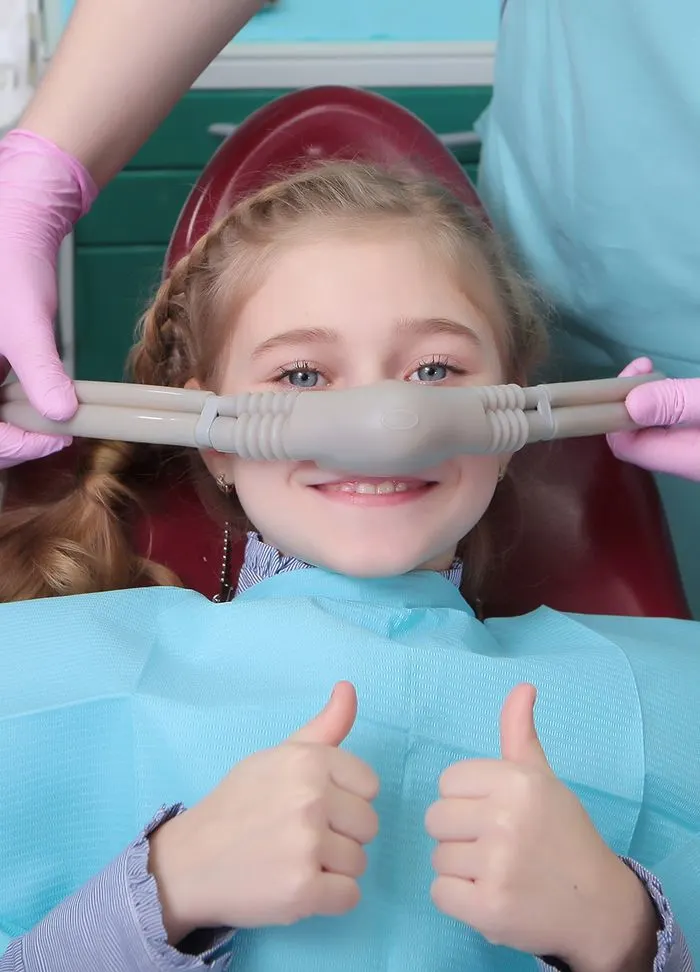
If fear or nerves are making dental visits feel a little harder, nitrous oxide can help your child relax and feel more at ease during treatment. Laughing gas works quickly, wears off quickly, and can make the whole experience feel smoother for little patients and parents alike.

Care at Their Own Pace

Safer, Smoother Visits

A Little Extra Help

Call (734) 328-1114

No Drill, No Shot Options

Numbing shots and noisy drills can cause unnecessary anxiety and fear for kiddos. We’re proud to offer drill-free and shot-free treatment options that not only protect your child’s smile but keep them calm and reassured, too.

The Benefits of Special Needs Dentistry

Better Patient Accommodations

We understand that even sitting in a dental chair can feel overwhelming for some children. Through sensory desensitization, we break each task into small, guided steps in a calming environment, giving your child time to process unfamiliar sensations and gradually become more comfortable. A detailed sensory intake form helps us understand their triggers, preferences, and comfort needs so we can personalize our approach, including adjustments to lighting, sound, and the pace of their visit.

Expert Care For Every Patient

Our team brings deep experience treating patients with various physical, mental, and developmental needs. We know how to ensure your child's safety and comfort throughout their dental care journey.

Comfortable Sedation Options

e offer several sedation choices that allow patients to remain relaxed or sleep peacefully during treatment, making dental care accessible for those who might struggle in traditional settings.

Difference

Board-Certified Pediatric Dentist

Rest assured that your child is receiving top-notch, specialized care with our Board-Certified Pediatric Dentist. To be recognized by The American Board of Pediatric Dentistry, doctors must undergo extensive training in the pediatric field in addition to their standard dental degrees.

Desensitization Appointments

Going to the dentist is a significant experience, with new faces, sounds, and expectations. To help your child adjust, we offer desensitization appointments. Through a series of visits, the dentist will give your child a tour of our office, introduce our friendly team, and teach them about dental tools. This helps your kiddo get acclimated with our space so they can feel safe, secure, and cared for.

Stress-Free Sedation Options

No child deserves to struggle with fear or pain during treatment. Sedation options are an effective way to help your kiddo get the care they need without discomfort or anxiety. Talk to your child’s dentist to learn more about what sedation option will best fit their needs.

Previous
Next

The Special Needs Dentistry Process

Happy Roots Pediatric Dentistry in Ann Arbor, MI logo

Initial Health Discussion

We begin with a comprehensive consultation to understand your child's complete health picture. Our team will carefully review their medical history, current medications, therapy routines, and specific needs. We'll also discuss any previous dental experiences, sensory sensitivities, and communication preferences to ensure we create the most supportive environment possible. This thorough understanding helps us develop an approach that works best for your child.

Happy Roots Pediatric Dentistry in Ann Arbor, MI logo

Oral Exam & Teeth Cleaning

During your child's first visit, we'll conduct a thorough oral examination and gentle cleaning at a pace that feels comfortable for them. This allows us to assess their dental development, identify any immediate concerns, and understand their unique oral health patterns. We use this time to also observe how your child responds to different aspects of dental care, which helps us refine our approach for future visits.

Happy Roots Pediatric Dentistry in Ann Arbor, MI logo

Personalized Treatment Plan

After gathering all necessary information, we'll sit down with you to discuss our findings and recommendations in detail. Together, we'll develop a customized treatment plan that addresses your child's immediate dental needs while considering their overall health requirements. This plan includes specific in-office treatment recommendations, preventive care strategies, and practical home care techniques tailored to your child's abilities and routine.

Frequently asked questions

Questions? We’ve Got You.

From first visits and preventive care to emergencies, sedation, and everything in between, we’re here to help you feel confident about your child’s dental care. Explore a few of the questions families ask us most.

Book Now
Call (734) 328-1114

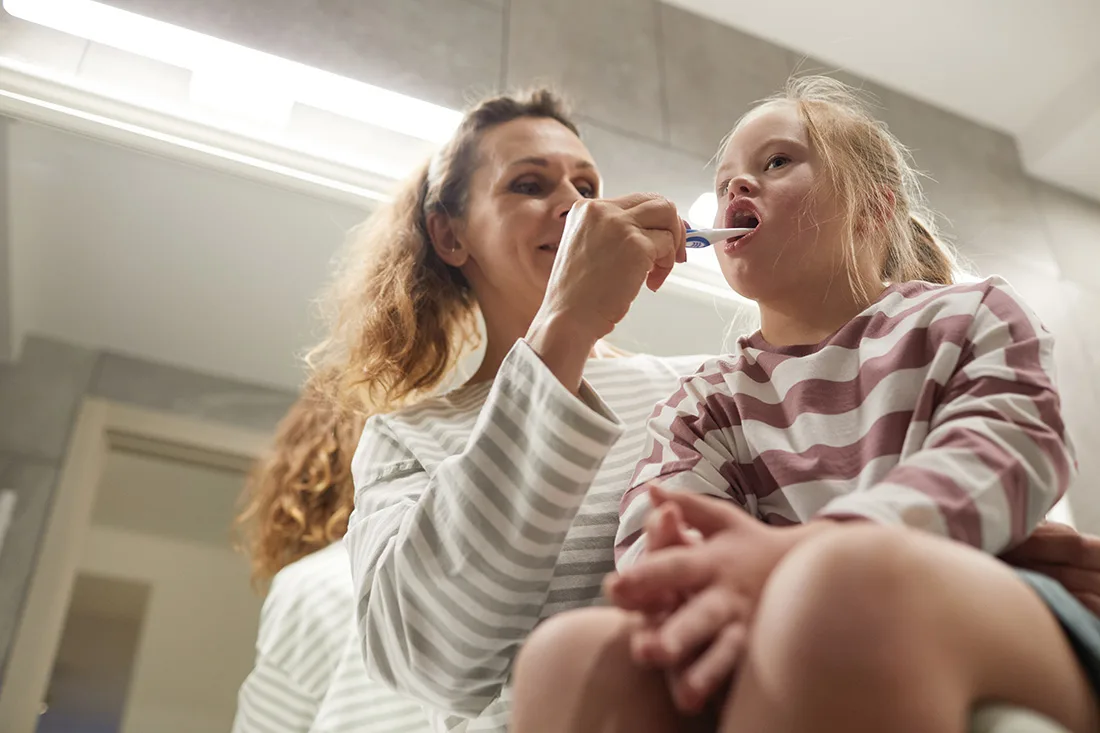
For children with physical, emotional, behavioral, intellectual, or communication disabilities, daily oral care might present unique challenges. Here's how you can help:

  • Select a child-sized, soft-bristled toothbrush. Consider choosing one featuring their favorite character or color to make brushing more appealing.
  • Try adaptive tools like large-handled brushes. If grip is challenging, you can secure the brush with a strap or guide it with your hand.
  • Let your child choose from different fluoride toothpaste flavors and colors – finding one they enjoy can make a big difference.
  • Take charge of toothpaste portions by applying it yourself, and supervise brushing to prevent swallowing.
  • Transform brushing into a fun activity by incorporating songs, counting games, or the alphabet. This not only entertains but also helps ensure they brush for the right amount of time.

Many children's liquid medicines contain sweeteners to make them more palatable. While this helps ensure children take their medication, these sugars can lead to cavities without proper oral care afterward. Some medications may also reduce saliva production, creating dry mouth conditions that increase the risk of tooth decay, gum disease, and infections. Please share your child's medication list with us so we can develop appropriate oral care recommendations.

Keep an eye out for these indicators that might suggest a special health care need:

Teeth grinding or bruxism: While common in children and often temporary, persistent grinding may signal stress or anxiety. Addressing the underlying cause helps protect your child's teeth.

Food pouching: Some children, particularly those with food or sensory sensitivities, may hold food in their mouths longer than usual. This habit creates an environment where cavity-causing bacteria can flourish.

Bad breath:This could indicate various conditions, from digestive issues to diabetes or chronic sinusitis.

Medical conditions can affect oral health in several ways. Treatment medications, the condition itself, or both may influence tooth and oral structure development, calcium levels (which affect tooth enamel), saliva production, and dietary choices. Good nutrition is essential for both overall health and dental wellness. Even the simple act of chewing plays a vital role – it stimulates jaw bone development and naturally helps remove tartar and plaque through friction.

Many conditions can impact your child's dental care experience, including ADHD, anxiety, asthma, autism, cerebral palsy, cleft lip & palate, depression, diabetes, Down syndrome, epilepsy, hearing impairment, and traumatic brain injury. When scheduling an appointment, please let us know about your child's specific condition so we can ensure our practice meets your family's needs.